

Why NFC Card Wallets Are the Most Practical Cold-Storage Option Right Now
 21 decembrie 2025, 19:21
 Okay, so check this out—I've been messing with card-style hardware wallets for a few years. My first impression was: neat idea, but is it secure? Hmm... the more I used them, the more obvious benefits popped up. Short story: they feel like carrying a credit card that actually guards your savings. Simple. Tangible. Trustworthy, if you treat it right.
Card wallets combine two things people want: physical portability and real cold storage. They’re small, usually contactless (NFC), and designed so the private key never leaves the secure chip. That means no seed phrase shouted into a mic, no plaintext file floating around your laptop. On one hand that’s a huge win. On the other hand, it changes how you think about backup and recovery—so you gotta rethink the rituals you've learned from seed-phrase-first approaches.
Here’s the thing. A card wallet like the ones from mainstream vendors gives you a tamper-resistant secure element in a form factor you can actually slip into a wallet. No cables. No clumsy dongles. You tap your phone, approve a transaction, and it signs inside the card. It’s cold in the sense that the private key never exists on an internet-connected device. But cold is a spectrum... you have to choose the right threat model.
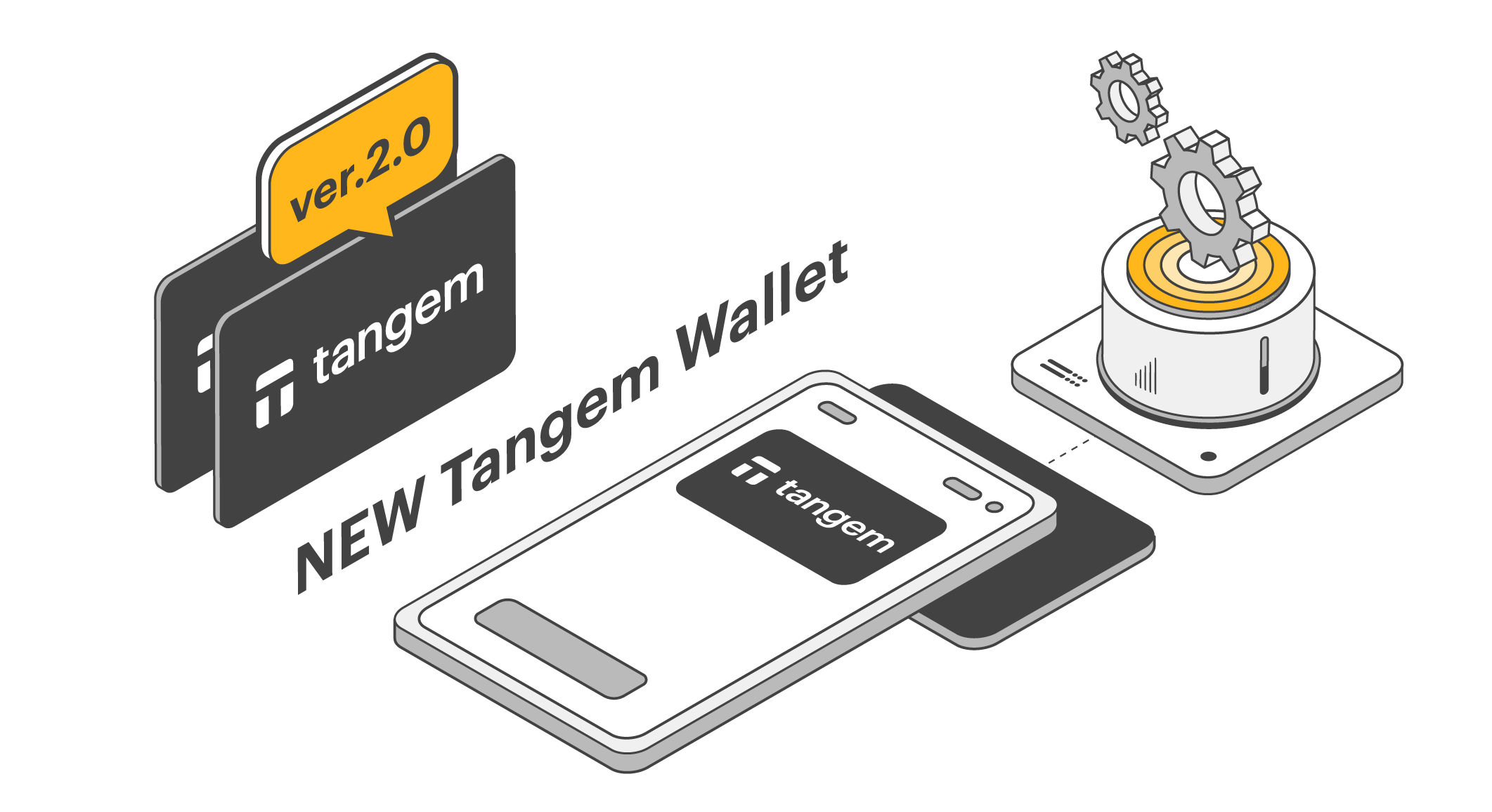
A quick sense of how these cards work
My instinct at first was to equate them with a paper wallet, but that’s wrong. Actually, wait—let me rephrase that. Paper wallets are fragile and error-prone. Card wallets use a secure element (the same kind of chip banks trust), and they expose only signing operations over NFC. You present a transaction to the card; the card signs it. The phone acts as the UI. Nothing leaves the chip in raw key form. On one hand that reduces attack surface. On the other, it centralizes trust in the vendor’s hardware design and supply chain.
When you compare them to other cold-storage options, card wallets win for everyday usability. Ledger-style devices are great but feel like a gadget. A card slips in your wallet. It's unobtrusive. And—I'll be honest—if you’re the sort who forgets HDMI cables and recovery seed copies, a card is a better chance you'll actually use cold storage consistently. But it's not perfect. Somethin' to watch for: lost-card scenarios and vendor lock-in if the vendor uses proprietary recovery methods.
Why “cold” doesn’t mean “foolproof”
Cold storage reduces remote attack vectors. Seriously. But it doesn't protect against all threats. If someone snatches your card, and you lack a PIN or fail to secure your device, you could be toast. Similarly, supply-chain attacks or counterfeit cards are real concerns. The trick is to match the product to your threat model. If you're protecting modest savings from online hacks, an NFC card is ideal. If you're defending against targeted theft or nation-state actors, you'll layer more controls.
Here's a useful mental checklist I use when evaluating card wallets: does the card store the key in a certified secure element? Is the firmware audited or at least open to inspection? How does recovery work—single card, multi-card, or vendor escrow? Is the pairing process resistant to relay attacks? Those questions separate a well-engineered product from a clever marketing piece.
Practical setup and backup patterns (high-level)
Start by treating the card as the canonical private key. That means don't copy the key elsewhere unless you understand the risk. Many vendors offer backup cards or multi-card recovery, where you split keys across pieces—like a digital death-and-taxes plan. Some let you create multiple cards from the same wallet. That’s handy if you want redundancy without exposing the seed phrase to paper.
A simple, practical approach I use: keep one card in a secure home safe, a second card in another trusted location (like a bank safe deposit or trusted family member), and a hardware-only wallet for day-to-day, low-value spending. That sounds like overkill, maybe—but people lose things. Duplication (done properly) saves grief. Also: test your recovery plan before you need it. If you can't restore access during a test, you won't be able to restore it under stress.
About vendor trust and Tangem specifically
Okay—real talk. No product is without tradeoffs. Tangem makes a well-known NFC card wallet that focuses on simple, contactless security. If you want to read more about it, check out tangem wallet. Their cards are engineered to keep the private key on the chip, and they’ve been adopted by a lot of users who want a low-friction cold-storage solution.
But caveats apply. Pin protection, firmware provenance, and the vendor’s approach to recovery matter a lot. I'm biased toward hardware that uses certified secure elements and has transparent processes. If a product relies on proprietary, non-auditable firmware with no third-party scrutiny, that gives me pause. Still, for many everyday users, Tangem-style cards strike a great balance of security and convenience.
Who should use an NFC card wallet?
Short answer: people who want strong security without constant fuss. If you frequently make crypto transactions and want to avoid typing seed phrases, this is a big win. If you're a long-term HODLer who never touches your holdings, classic cold storage (fully offline, multi-signature setups) might still be better. And if you're worried about very sophisticated attackers, layer up—multi-sig, legal protections, and geographic redundancy help.
One more thing—user behavior is the real threat, not just technology. Phishing, social engineering, and sloppy backups will outpace any gadget. A secure card with a weak recovery plan is still risky. So think social processes as much as hardware.
FAQ
Is a card wallet truly cold storage?
Mostly yes. The private key stays in the card's secure element and isn't exposed to the phone or internet. But coldness depends on how you use it—if you store the recovery method insecurely, you negate the benefits.
What if I lose the card?
That depends on the backup method. Some people carry a backup card; others split keys across multiple cards. If you only have a single card and no recovery, losing it can mean permanent loss. Test recovery workflows ahead of time.
Can someone skim the card via NFC?
Not in the way people imagine. The card won’t reveal private keys over NFC. But relay attacks or a compromised phone at the moment of signing could be a concern. Using PINs and trusted apps mitigates much of that risk.
 Share
Share
 share
share